
Introduzione al test Gelbo Flex per gli involucri alimentari
Involucri alimentari costituiscono una parte essenziale degli imballaggi alimentari moderni, fornendo una barriera protettiva che aiuta a preservarne la freschezza e a prevenire la contaminazione. Per i produttori di imballaggi alimentari è fondamentale garantire che i propri prodotti mantengano resistenza e flessibilità in diverse condizioni. Un test fondamentale utilizzato per misurare la durata dei materiali da imballaggio è il Test di flessione Gelbo. Questo metodo, descritto in ASTM F392, valuta il durata della flessione di materiali flessibili per barriere, quali fogli di carta da cucina, simulando i ripetuti movimenti di flessione a cui l'imballaggio può essere sottoposto durante la movimentazione e l'uso.
In questo articolo approfondiremo l'importanza del Test di flessione Gelbo, come funziona, gli standard a cui si attiene e perché è fondamentale per valutare le prestazioni di fogli di carta da cucina.
Perché il test Gelbo Flex è fondamentale per gli involucri alimentari
Involucri alimentari sono spesso sottoposti a varie sollecitazioni meccaniche durante il confezionamento, la movimentazione e il trasporto dei prodotti alimentari. I durata della flessione La flessibilità di questi involucri è fondamentale per garantire la loro capacità di resistere a ripetute flessioni o torsioni senza rompersi. Se l'involucro non è sufficientemente flessibile, potrebbe rompersi, strapparsi o perdere la propria integrità, causando la contaminazione o il deterioramento degli alimenti contenuti al suo interno.
IL Test di flessione Gelbo è un metodo standardizzato utilizzato per valutare la capacità dei materiali di imballaggio di resistere a ripetute flessioni senza sviluppare difetti quali fori. Tali difetti possono compromettere in modo significativo le proprietà barriera del materiale, rendendolo meno efficace nella protezione degli alimenti. Effettuando questa prova, i produttori possono garantire che i loro fogli di carta da cucina soddisfano gli standard richiesti in termini di flessibilità e resistenza, garantendo una barriera protettiva affidabile per i prodotti alimentari.
Panoramica del metodo di prova Gelbo Flex
IL Test di flessione Gelbo simula le condizioni reali in cui i materiali di imballaggio sono sottoposti a ripetuti movimenti di flessione. Questa prova è particolarmente utile per materiali flessibili come fogli di carta da cucina, che devono mantenere la loro integrità nonostante siano sottoposti a continue sollecitazioni di flessione, torsione e compressione. La prova viene eseguita secondo ASTM F392 e prevede la seguente procedura:
-
Configurazione del test: Un esemplare di pellicola trasparente viene sottoposto a condizionamento in condizioni atmosferiche standard. Il campione di prova viene posizionato nel tester Gelbo Flex, un dispositivo specifico progettato per eseguire il movimento di flessione.
-
Azione di flessione: La prova simula il movimento di flessione sottoponendo il materiale a torsione e compressione. Il ciclo di flessione consiste in un movimento di torsione seguito da un movimento orizzontale. Questo ciclo viene ripetuto a una frequenza di 45 cicli al minuto (cpm).
-
Condizioni e cicli flessibili: Il test prevede diversi livelli di sollecitazione, che determinano il numero di cicli a cui viene sottoposto il materiale. Tali livelli sono definiti come segue:
-
Condizione A: Flessione completa per 1 ora (2700 cicli).
-
Condizione B: Flessione completa per 20 minuti (900 cicli).
-
Condizione C: Flessione completa per 6 minuti (270 cicli).
-
Condizione D: Flessione completa per 20 cicli.
-
Condizione E: Flessione parziale per 20 cicli.
-
-
Misurazione dei guasti dei cavi flessibili: L'obiettivo principale del test è quello di identificare rottura dell'elemento flessibile, come la formazione di fori o crepe. Si misura la resistenza del materiale alla flessione e si registrano il numero e la gravità dei cedimenti.
-
Valutazione: I risultati vengono utilizzati per valutare il durata della flessione del materiale e per stabilire se il pellicola trasparente è in grado di resistere alle normali condizioni di utilizzo senza compromettere le sue proprietà protettive.
Norme di riferimento: ASTM F392 e il suo ruolo nelle prove sui film per alimenti
ASTM F392 è la specifica standard che disciplina il Test di flessione Gelbo per materiali flessibili da barriera, tra cui fogli di carta da cucina. La presente norma definisce le procedure, le condizioni di prova e i metodi di valutazione volti a garantire che le prove siano coerenti e affidabili tra i diversi laboratori e produttori.
IL ASTM F392 lo standard garantisce che il Test di flessione Gelbo viene condotto in un ambiente controllato con condizioni standardizzate. Ciò consente ai produttori di confrontare il durata della flessione realizzati con materiali diversi e garantire che soddisfino i requisiti del settore in termini di flessibilità, resistenza meccanica e resistenza al cedimento.
Attenendosi a ASTM F392, i produttori possono essere certi che i loro fogli di carta da cucina manterranno le loro proprietà protettive in condizioni di utilizzo normali, garantendo prestazioni, protezione e durata di conservazione migliori per i prodotti alimentari.
Il ruolo del tester Gelbo Flex di Cell Instruments
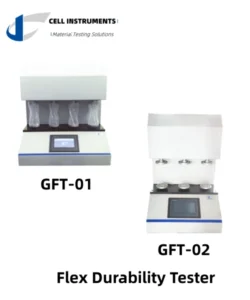
IL Strumenti a cella Gelbo Flex Tester (GFT-01) è un dispositivo all'avanguardia progettato per eseguire il Test di flessione Gelbo in modo efficiente e accurato. Questo tester soddisfa i requisiti indicati in ASTM F392, fornendo ai produttori uno strumento affidabile per valutare il durata della flessione della loro fogli di carta da cucina.
Grazie alla sua interfaccia intuitiva, al controllo preciso delle condizioni di prova e ai risultati costanti, il Cell Instruments GFT-01 Gelbo Flex Tester aiuta i produttori a garantire che i loro materiali di imballaggio soddisfino i più elevati standard di qualità e prestazioni. Il tester è uno strumento essenziale per valutare la flessibilità e la resistenza di fogli di carta da cucina, aiutando i produttori a migliorare i propri prodotti e a ridurre il rischio di guasti durante la movimentazione o l'uso.
Conclusione
IL Test di flessione Gelbo, regolato da ASTM F392, è un metodo fondamentale per valutare il durata della flessione di fogli di carta da cucina. Questo test garantisce che i materiali di imballaggio siano in grado di resistere alle sollecitazioni meccaniche a cui sono sottoposti durante la movimentazione e il trasporto, mantenendo al contempo le loro proprietà protettive. Utilizzando il Tester di flessibilità Gelbo, i produttori possono valutare con sicurezza le prestazioni dei propri fogli di carta da cucina e apportare i miglioramenti necessari per soddisfare gli standard del settore e le aspettative dei consumatori.
 Italiano
  English
  Afrikaans
  አማርኛ
አማርኛ  العربية
  العربية المغربية
  অসমীয়া
  Azərbaycan dili
  Беларуская мова
  Български
  Bosanski
  Català
  Cebuano
  Čeština
  Cymraeg
  Dansk
Dansk  Deutsch
  རྫོང་ཁ
  Ελληνικά
  Español
  Euskara
  فارسی
فارسی  Suomi
Suomi  Français
  Friulian
  ગુજરાતી
  עִבְרִית
  हिन्दी
  Hrvatski
  Magyar
  Հայերեն
  Bahasa Indonesia
  Íslenska
  日本語
日本語  Basa Jawa
  ქართული
  Taqbaylit
  Қазақ тілі
  ភាសាខ្មែរ
  한국어
한국어  ພາສາລາວ
  Lietuvių kalba
  Latviešu valoda
  Македонски јазик
  മലയാളം
  ဗမာစာ
ဗမာစာ  Norsk bokmål
  नेपाली
  Nederlands
  Polski
  Português
  Română
  Русский
  Сахалыы
  Slovenčina
  Slovenščina
  Shqip
Shqip  Српски језик
  Svenska
  Ślōnskŏ gŏdka
  தமிழ்
தமிழ்  తెలుగు
  ไทย
ไทย  Türkçe
  Українська
  O‘zbekcha
  Tiếng Việt
  繁體中文
繁體中文  香港中文
香港中文